A Culture of Learning

Collaborative learning experiences provide teachers with the opportunity to explore, experiment and be challenged in their thinking.

A Culture of Learning

Gaining deeper insight, new knowledge and meaning when collaborative partnerships are supported.

A Culture of Learning

Through critical thinking and creativity, learners build capacity, skills and resilience.

A Culture of Learning

Learning....a progression that builds on prior knowledge and understandings.

A Culture of Learning

Building teacher capacity.

Thursday, 19 June 2014

Day 4 - What will I take back to my classroom?

When considering your own class teaching/organisation, what might be three approaches you have observed that could be adopted?

Flexible Learning Spaces:

From observing a variety of classrooms at St Rita's, it is obvious to see that flexible learning spaces are important components of their teaching and learning. Students in Years 4 and 7 have non-assigned seating and can choose from a variety of seating options (including bar stools and bench space). Teachers encourage students to choose a variety of learning partners and groups in each learning session to ensure that they are working with different people. 

Bench Seating in Yr 4


Modular Furniture 

Flexible Seating Options
This is something I am looking at bringing back to my classroom as I can see great benefit in this learning style for both teacher and students.


During the staff meeting on Wednesday afternoon, there was discussion on Peer observations completed by teaching partners in classrooms. From this discussion it became evident that Teachers in the school were following the Visible Learning style in their classrooms. Each teacher discussed how they had identified in classrooms teachers talking about 'Learning Intentions' and 'Success Criteria'. 


Visible Learning in Year 7

When visiting classrooms all students knew what was expected of them, they had a clear idea of what the intentions were and could clearly articulate what they needed to do in order to be successful in their learning.

This is something I am interested in focussing on in my classroom, to ensure students are on the same page as teachers in their learning. 

Device Expectations/Policy

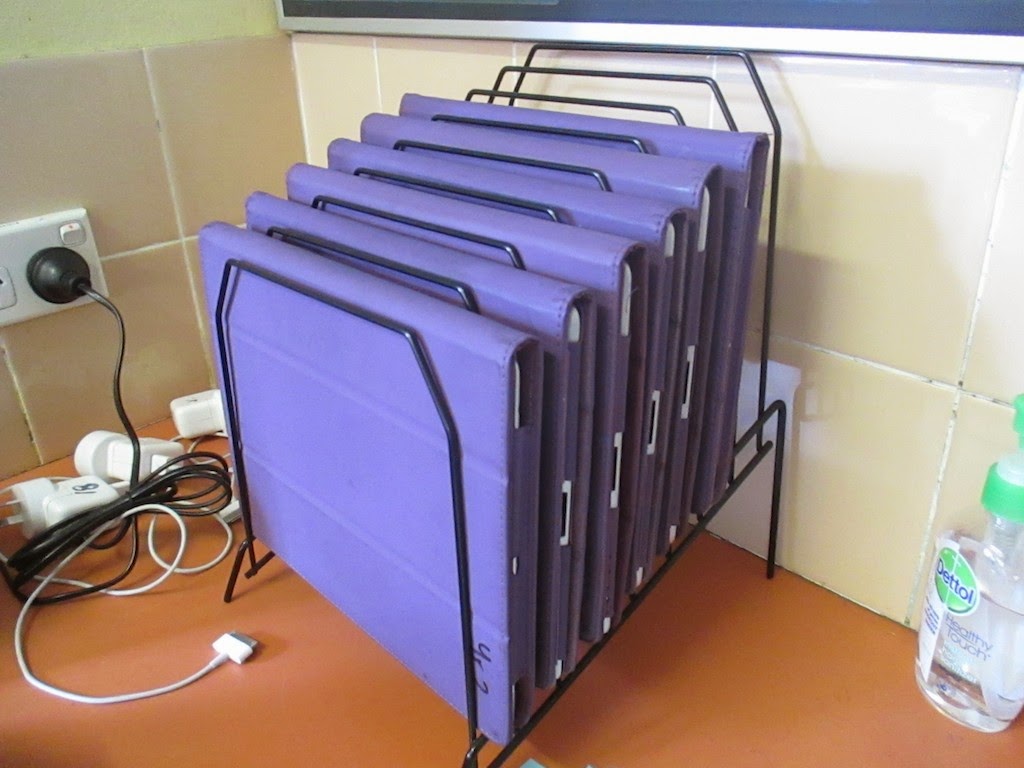
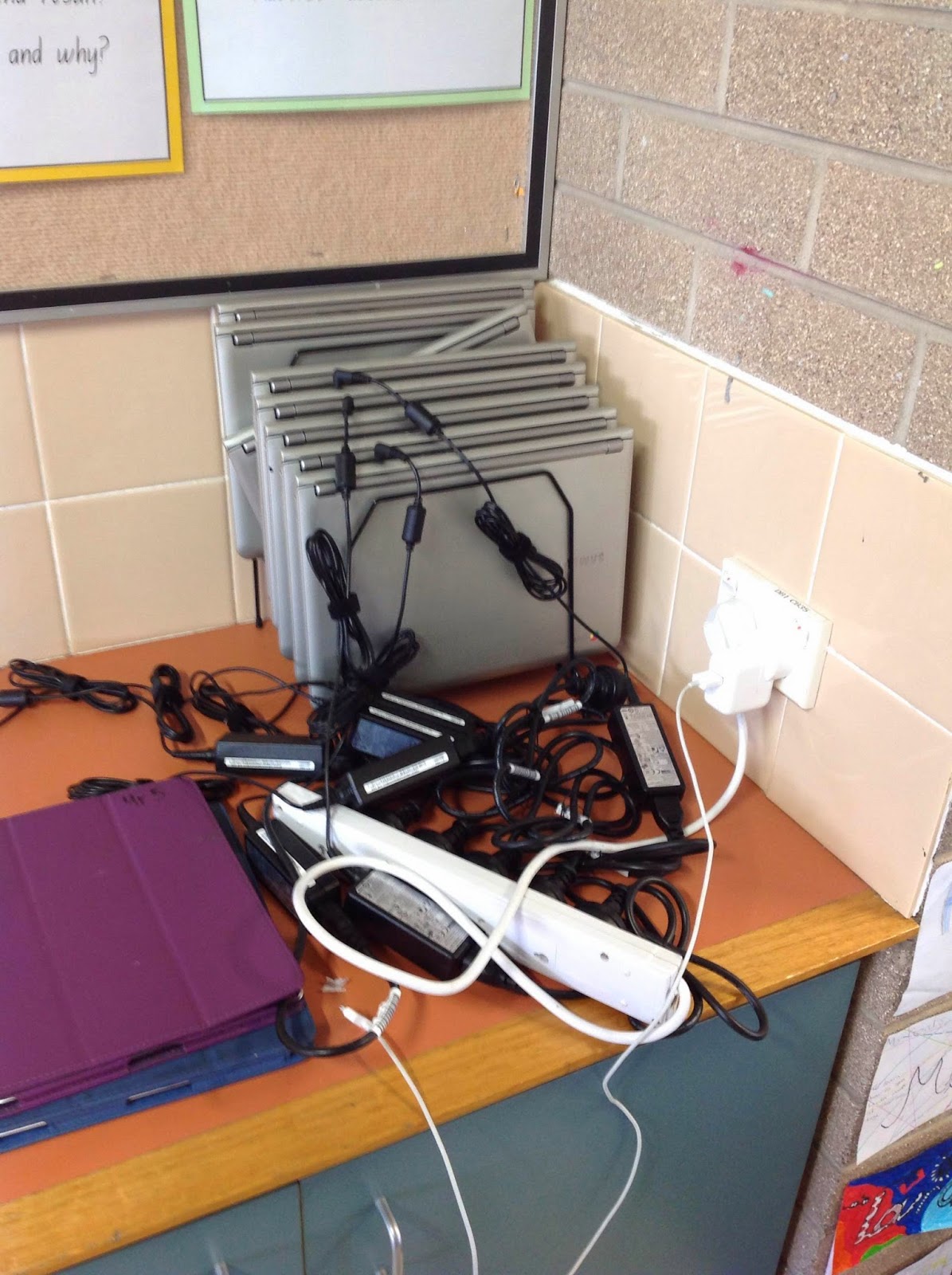
St Rita's is a school that uses Technology well and intensively in their teaching and learning. From Year 4, students have a 1:1 computer program in which students use classrooms in the classroom and then take their computers home to complete 'Study. Ladder' homework. Students are responsible to charge their computers nightly and bring them to school each day to complete their learning tasks.

Due to this 1:1 program an expectations policy was created to ensure students were using the computers to benefit their learning. The policy is called SIR it stands  S = is it safe?, I = Is it Inspiring?, R = Is it Responsible?


As a classroom teacher, I use ICT in a variety of ways to support and enhance teaching and learning. At times I find that students may be using technology in inappropriate ways, which can deter and distract their learning. Creating a technology policy, with students, is a great way to ensure students have ownership over their learning and expectations.

Wednesday, 18 June 2014

Day 3 – St Aloysius Cronulla – David & Lauren.2

Day 3 – St Aloysius Cronulla – David & Lauren.2

Essential Question: Can you see elements of our own Contemporary Learning Framework at play in this school’s practice?

Elements of our own Contemporary Learning Framework are certainly embedded within the schools practice. We spoke yesterday of how the school builds Christ- centred learning communities. Throughout our time at St Aloysius a number of other elements of the CLF have stood out to us as prominent.
  •         learners gain new knowledge and deeper insights through the collaborative learning experiences which are provided in every lesson. When working students are given choices of working independently, with a partner or a group. Students are encouraged to support others in their learning
  •       staff share a vision for the school and have high expectations. It is clear to students what is expected of them in every class as expectations are consistent across the school. Teachers use the same attention grabbers, prayers and language when interacting with students.
  •       strong partnerships between teachers are evident. From the way they interact and speak of each other to the trust and support they show in each other
  •       flexible learning environments provide students with choice and respect diversity and difference. This is created through the physical set up of the classroom and the resources, particularly the ICT which  is integrated in all lessons.
  •       students are engaged in multimodal learning experiences which result in high levels of engagement. Students use a range of iPad apps to develop presentations, Samsung Chrome books, google docs as discussed earlier.
  •       professional learning is valued within the school. Over an hour of the schools weekly staff meeting is dedicated to Professional Development. Throughout the week we have witnessed a number of Teachers participating in professional learning opportunities. On Monday Stage 2 teachers attended a twilight numeracy workshop and 2 teachers attended a literacy workshop. Today the Assistant Principal and Kindergarten teacher attended a bullying workshop.


The staff stand united in their visions and high expectations of the students. It is impressive to see the whole staff on board and supporting the schools visions and is clearly the key to their success.
Collaborative Learning Experience

Flexible Learning Environment

High Expectations

Flexible Seating

ICT Intergration

Consistency of expectations as seen in a maths extension class

Multi Modal at work


Day 3- St Rita's Victoria Point - Joint Contribution

What approaches are taken to cater for the diverse range of student learning needs?
What is going on to ensure each student progresses?
How are they using data to inform decision making?

This morning we met with Sue McLean (Student Teacher Inclusive Educator) where she discussed a number of whole school processes which showed the link between behaviour and learning. This link is very intrinsic and it is very focussed on how the behaviour affects learning and how those behaviours can be modified to ensure that learning occurs.

SWPB: School Wide Positive Behaviour
The aim is to build a positive school wide approach which is a 3 tiered.
Tier 1: (approx. 80% of students respond to this tier)
The emphasis was on instructional explicit teaching of the expectations within the school. refer to matrix. ST RITA: displayed expectations for behaviour. (Strive To Respect everyone, Inspire learning, Take care of property environment, Act safe/be safe)
1 Tier 2 intervention: 4 week block ARK
·       ARK Process: Awesome Rita’s Kids: Check in – Check out
Step 1: Teacher fills in form for child in need: request for assistance, set very explicit goals.
Step 2: Student contract drawn up – agreed goals to work towards. check in- check out each day: meet with Kathy each morning to talk about goal and end of the day to reflect upon goal. Above 70% is an achieved goal.
Daily recording sheet: student goals 1-2, each interval (1hr: ideal or else after each break) – teacher gives a score and feedback to the student. At the end of each day total the score and give a total score.
Transition process at the end of 4 weeks: student and teacher involved in discussions of teacher monitoring within classroom by teacher and student.
Tier 3 Intervention: more complex issues/mental health etc:
functional behaviour/assessment etc
-         Observations in class targeting on single behaviours at a time to identify what is the trigger of the behaviour; What causes the student behaviour to then be able to determine course of action.
KTL: Knowledge, Truth Love: evidence of the whole philosophy of embedded within every aspect of their school including the naming of classes eg 4K, 4T, 4L.
It is a belief that this is a way of living within the school and a way of life.
School form: completed by teacher to record and communicate behaviours in class and on the playground. Known as a KTL. Leadership team then follow up on these behaviours. Refer back to matrix with expectations across all settings within the school.
 DROP IN ZONE: positive./voluntary experience. A space for students to bring a friend. Any child can go but need to be referred in an informal process ie: just to touch base with Sue. Within this space passive play activities available for students to be involved in.

Student Support: Teacher who have a concern about a learner.
Gifted and talented as well as with difficulties. Cath ed form: see attachment

BI Tool: (Business Intelligence): Data collection and reporting tool
BCE generated
Collection of data such as: NAPLAN, ACER, School reporting etc all in one place displaying about student/cohort results/data all in one place.
When a student transfers within the diocese, their data automatically rolls over to new school. This was a great data collection tool.

Can you see elements of our own Contemporary Learning Framework at play in this school’s practice?
·       A Learning Community: Shared leadership model not only within the leadership team but with all teachers. This is evident in the structure of the leadership space, learning teams, parental involvement in lunchtime activities ie: wool club etc.
The value of the teams is very evident as they release members of the team once a week for their meetings. All teachers are very motivated within these teams as they have nominated themselves according to their skills, interests etc.
½ day planning each term with their grade, working with APA on term plans/programs/assessment etc.

·       Engaging and adaptive environments: introduction of 1-1 laptop program in year 4 and 5 led to the development of SIR (Safe, Inspiring, Respectful) which is embedded within every classroom and referred to regularly.
Technology: wide variety of learning through technology within the school, depending upon grade level.
Clear adaptive/flexible learning environments within a classroom is within most classrooms. The children often are free to sit where they would like in a variety of different levels/structures etc (SIR) is also used to ensure acceptable behaviour so that this can take place.
Connected locally/globally: No server is used within the school. They use a cloud based storage system. All rooms have connected screens which are completely wireless. Rooms with student notebooks allow student computers to be wirelessly connected as well. Meeting rooms have digital TV set ups with Bluetooth connectivity.
Vegies in the garden
This afternoon we attended a Sustainability Team meeting. This team consisted of both teachers and school officers (teacher’s assistants). We were impressed by the amount of input and influence the school officers have in the teams. They are equal members in these teams. The meeting looked at the next steps in making sure the waste management system improves and keeps on track. The Brisbane Catholic Education Sustainability officer sets a goal each year. The school has a clear goal to reduce waste not just for the environment but also to save money for the school. In the last 12 months the school has reduced the waste costs by half. This year their new focus is to reduce energy costs by 10%. Then there was suggestion put forward by one of the school officers about change one dead garden areas to a sculpture area by creating sculptures using old plastic tops. They have Rita’s Rangers this is the environment group. They meet once a week (Yr 3-7), they look after the worm farm, compost, vegetable gardens and now have special hats to identify them in the playground.
The staff meeting they spoke about peer to peer observations and shared ideas about how their experiences in this process. It was very positive experience between those teachers that shared. They also discussed feedback from a Visible Learning meeting that Anne and Sue attended. Brisbane Catholic Education seems to be focusing on this in all school. They have issued a survey for students and staff that looked at the views about how learning intentions and success criteria are thought about in classrooms. The feedback showed that teachers feel like they are getting their ideas across but the data showed that the students still felt like they still didn’t have a strong grasp of the language and ideas. This then brought a conversation about understanding that there is still work to do in relation to student learning in the context of visible learning ideas.

We all feel that we are seeing very similar things in our schools and that we are on a similar track for classroom work and activities. Where we see the difference is the way that the shared leadership vision of the school makes the feel of the school slightly different. The teachers, school officers and groundsmen have a shared vision and understanding of the school learning goals. This shows the school has a very clear and evident school community.


Day Three - St Joseph's, Como. Anne-Maree and Prue


We have had another wonderful day of learning and inspiration at St Joseph's Catholic Primary School. We were also lucky enough to have a familiar face visit, Sister Margaret Scroope.

What approaches are taken to cater for the diverse range of student learning needs?
-Flexible groupings in Mathematics for year five and six students.
-Teachers in Year Five collaborate and plan for Mathematics and students are grouped according to the content being taught and both teachers teach between the groups.
-Extension maths lessons for year five students.
-Quick smart program for struggling students.

Why are the learning environments engaging?
In Year Six today the students were working collaboratively on a HSIE project in the library. Using MacBook Pros they were asked to compose a music sequence that created emotion to be used as a background for the iMovie that will eventually become their final assessment for the HSIE unit and was a great way to incorporate the Multi modal aspect of learning. Through creativity, choice and technology this created an engaging learning environment for all students. There was also a strong element of peer to peer support with a number of groups providing each other with critical feedback.


There are clear expectations provided around the use of technology in the school and are displayed effectively when students are using technology.


Can you see elements of our own Contemporary Learning Framework at play in this school’s practice?

Today we saw an element of a culture of learning that builds capacity to deepen insight and meaning. The pedagogy witnessed gives students opportunities to problem solve, think critically and work creatively.


Things to take back to our own schools and classrooms:
-action research
-intervention programs
-technology links in learning

We have also shared with a few teachers at St Joseph's how we use the Early Learning Plan within our diocese and they were very impressed. It's a great tool for teachers in our diocese and has been something they would love to know more about.

Stay tuned for Day 4....

Day 3 – St Aloysius Cronulla – David & Lauren.1

Day 3 – St Aloysius Cronulla – David & Lauren.1

Essential Question: The application range of ICT/digital devices in the learning spaces.

When we first entered St Aloysius and went to the staffroom you get the feeling there isn’t a big emphasis on technology. As the staffroom had no interactive board, no TV or large monitor and only has two computers.

However the application of technology in the classroom is a very different story. With each class having access to at least three different types of technological devices, and some with four. With the common desktop computer being the oldest type and by the feel of it will soon become obsolete. With laptops being close behind them. Each class has at least 7 iPads and 7 Chrome books. With their learning hub also having a supply of iPads and a variety of laptop computers from netbooks to older style MacBook’s.


However the most important aspect of this technology is their application and use with the school. Not only in classroom activities but in extension and support programs.

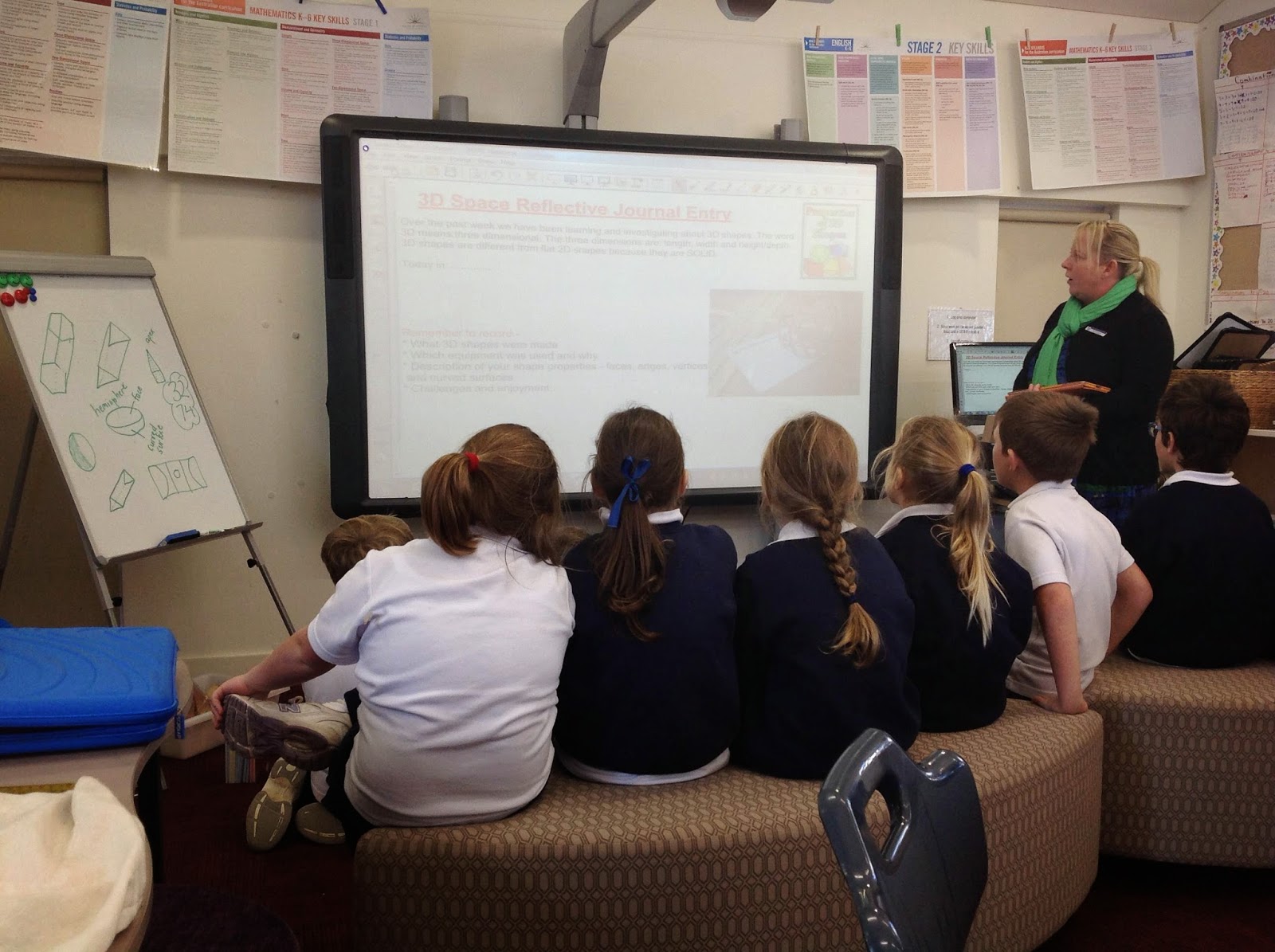
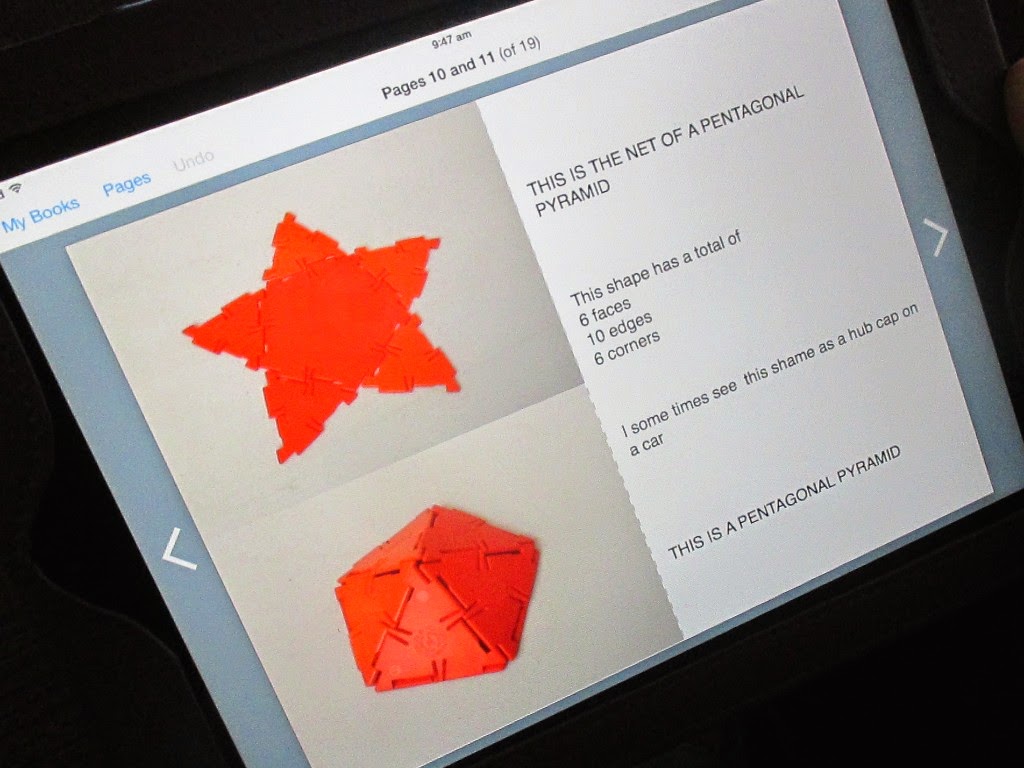
A good example is their system to record evidence of collaborative work between students. Children take time towards the end of the lesson to take photos and journal about their work. Some classes are directed with set questions to answer and they then support this with photographic evidence. For example a Year 2 maths groups had students working collaboratively to construct 3D shapes. At the end of the lesson they had to take images of their constructions and email it to the teacher so they could be printed and then glued into their journals in which they were to write about the lesson and their findings.

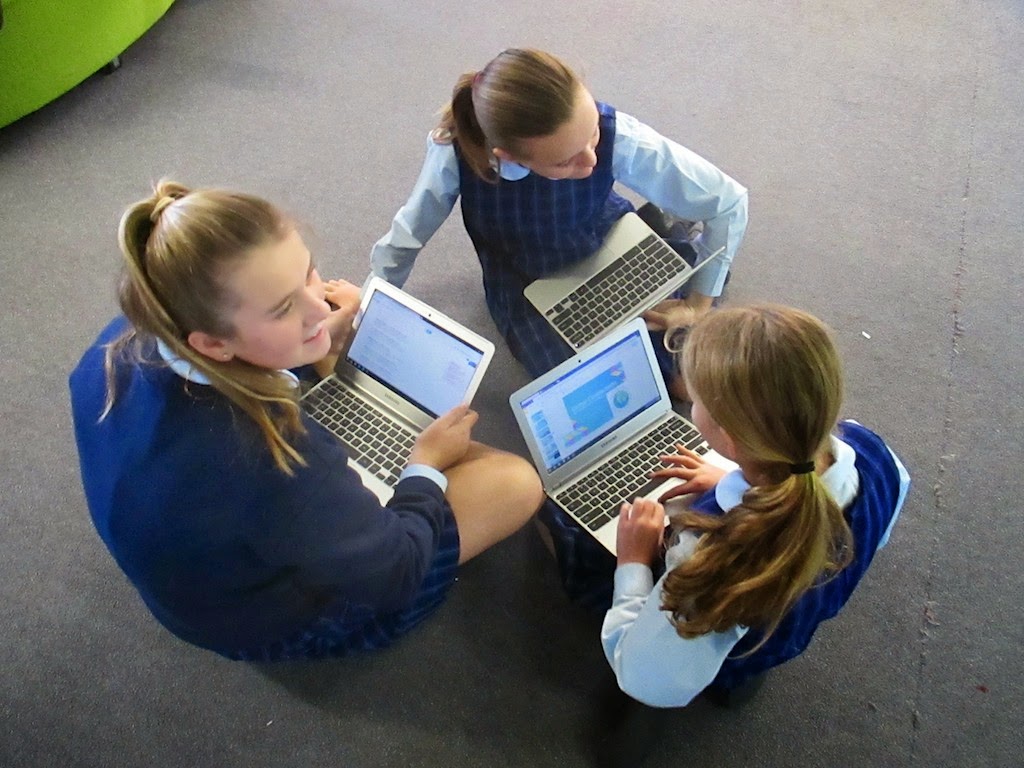
The Chrome books are a new acquisition for the school and the staff and students are loving the avenues for collaborative learning they bring to the school. With the devices being portals to the variety of Google applications a Google user has access to. They don’t have the possibility for any storage so all rely on a wireless connection and accessing the different applications in ones Google account. 

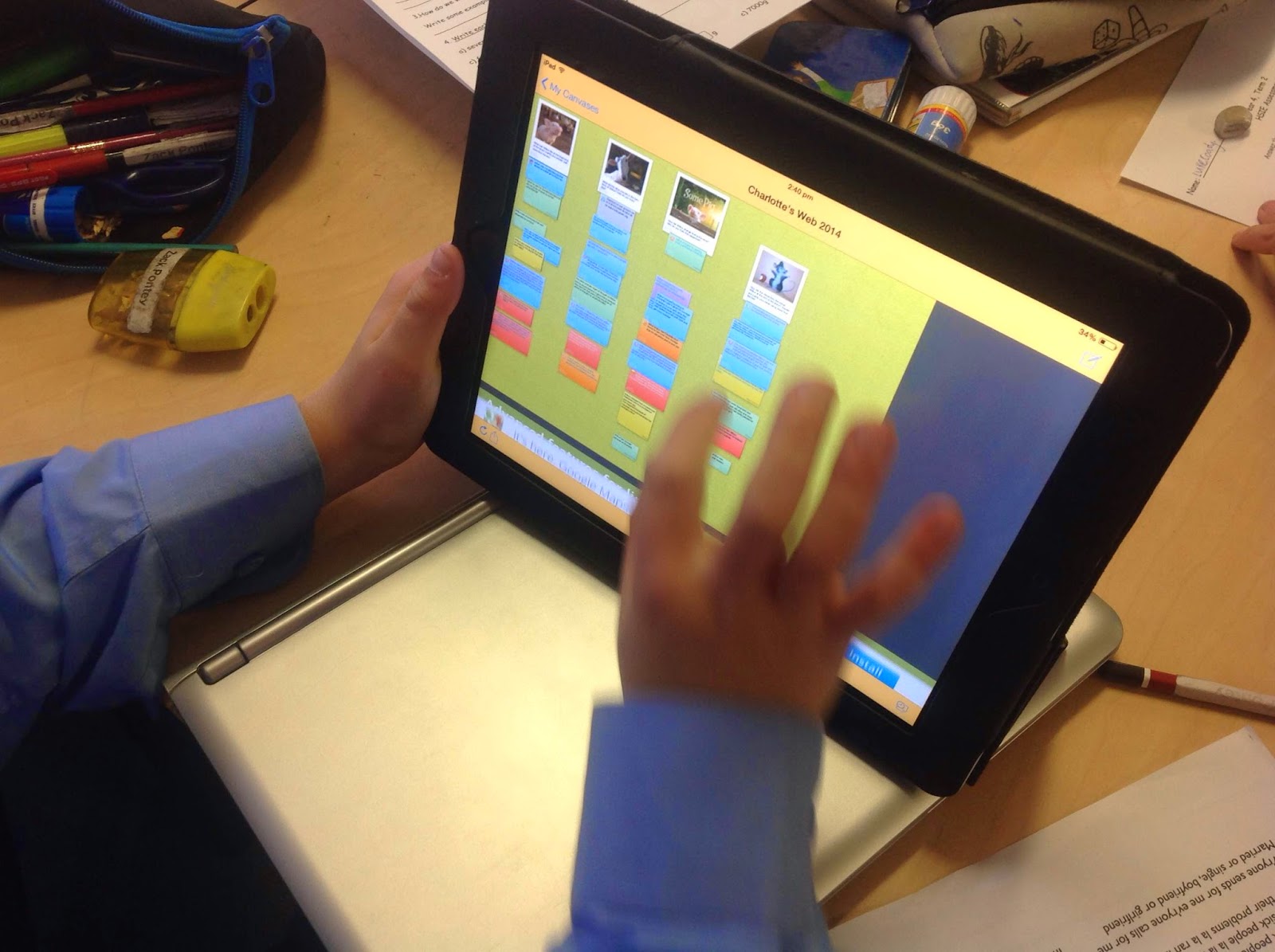
A Google application that the staff has access to in addition to their normal Google accounts is Teacher Dashboard. This is a great application that schools in our Diocese should look at or the CSO look into for our schools to access. In a nut shell it enables teachers to create easy to access folders for each subject area and with in these folders a file for every student. In which the teacher and students can share Google documents. You might say just make folders in your own Google Drive, however this application does away with the double handling and moving of files and creates a great way to manage students, have their work on hand at a few clicks. With written work diminishing in the contemporary classroom this way of sharing work through the digital form is a very forward way of thinking and an excellent practise that we should look into.

The use of technology during explicit teaching times is strong, and is carried out extremely well. This happens through two main aspects, the collaboration between the staff members in a particular subject as they come together as a stage core group. And through the use of technology and the interactive board. One program that a lot of schools in the area use is SMART Notebooks which is a more user friendly program than any interactive whiteboard software I have ever seen. So with a prepared lesson in a SMART Notebook the explicit teaching time in a lesson is quick direct and effective.


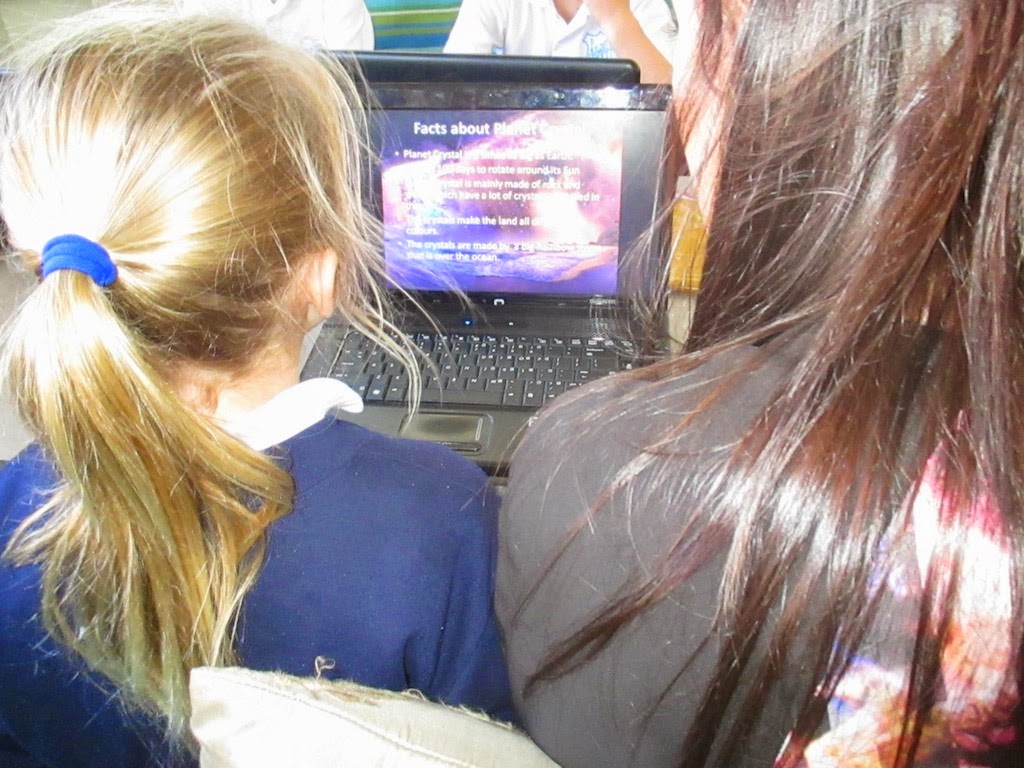
However the thing that has been most impressive is the ease in which the children use technology in a variety of ways to enhance their learning, through inquiry activities to consolidation of learning to recording and sharing their learning with each other and their respective teachers. How confidently and efficiently they use Google applications to store and share their work.


The use of apps to consolidate work and share collaboratively is very evident

Recording evidence of hands on maths work using book creator

Students proudly share with teachers

Technology and flexible learning spaces working together.

Day 2: Abbie Matthews

Last night we added to the blog as a group but I thought I would add a few personal thoughts about the day.
For me, the 2 main focus areas yesterday was:
1. How some of the classes used technology within the classroom.
2. Discussions about some aspects of curriculum.

Give your readers an idea of the application range of ICT/digital devices in the learning spaces.

Jess (Acting AP-RE) and classroom teacher took us into some of the classrooms, focusing on the 1-1 computer program. The kids were very clear about the concept that they don't just 'use computers' but that it was a notebook program to be used for learning. This was very clear with the classes. The students were all on task and it was evident that they knew the school expectations. The home page was set up to allow for easy access to all of the necessary applications etc needed.
The learning spaces were very adaptable where the students chose where they wanted to sit and this changes throughout the day. The working spaces were on different levels, in different formations. Obviously the teacher will guide students by asking the question: is this best for your learning?
Using the SIR acronym: Is it Safe? Is it Inspiring? Is it Respectful? which was used throughout the lesson. There were lots of different applications/programs and website used throughout the rooms (see group blog) depending upon the lesson and purpose.

While the host school might not use the term Professional Learning Community, can you describe how they are using PLC principles?

In the afternoon, we were part of the Curriculum Team Meeting. This runs similar to our PLC meetings but the group is made up of teachers across the grades. They followed their set agenda which was based around upcoming moderation between a cluster group of schools. It was great to have an open discussion where they discussed their process and asked us about how we moderate within schools etc. Other topics which came up include their homework policy, how they moderate reading and the evaluating  the new report process. The recent homework discussions that we have been having within our school has been very much an issue for St Rita's over the years.

I am looking forward to today where we are involved in a number of sessions with Anne (Principal) discussion a number of different programs/aspects of the school.


Tuesday, 17 June 2014

Day 2 - St Rita's A whole Group Reflection

Today we have decided to post as a whole group and then where necessary post individual ideas. 


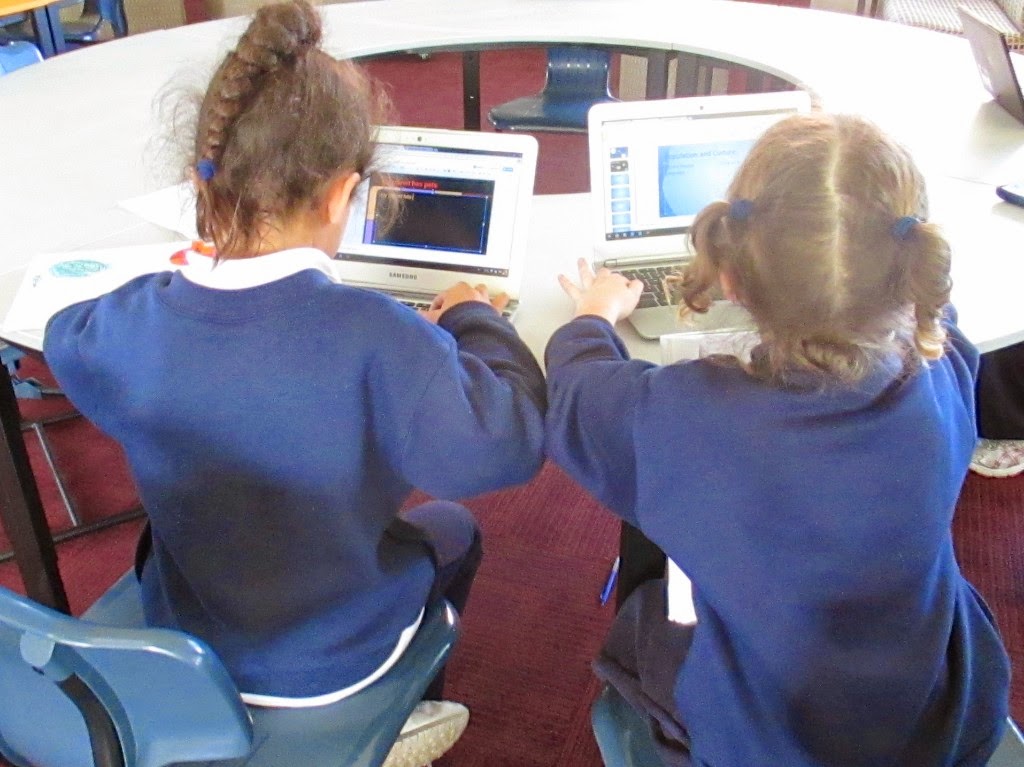
In  Year 4 and 5 there is a 1:1 laptop program that allows the students to take home the laptops for learning purposes. We spent a session with year 4 groups. There is a common understanding with students that '45' which means the students move their screens to 45° and look at the teacher. ICT user expectations are very simple and clear. They use the acronym SIR S =Is it safe?, I= is it inspiring?, R= is it respectful? Teachers refer to this when addressing any issues with students use of the laptops. There were a variety of apps and web tools used. This is a really simple, easily understood and clear way of addressing user responsibilities. 
SIR posters have been seen in every classroom so far


Some of the tools we saw used today include: Padlet, Powtoon, Sunshine Online, Google Docs, Google Forms, Tagexdo and Answer Garden. Some of these tools are available as apps through our Google Drives. The school runs off cloud based storage which is really effective. The students all have Google accounts and this is used for many collaborative tasks.


The learning spaces allow a lot of flexibility. Students were allow to sit where ever they want but there is a lot of discussion around making good choices about who are you working with. The modular furniture is that it allows for flexibility,  students being able to move through sessions and choices about where they are work. The design of the tables, being circular with the cut out allows for greater variety in organisation, some of the stools were were rounded on the bottom meaning the children could rock or move. This would be fantastic for ASD kids giving them a chance to move.
These tables are on wheels and are able to be adjusted. The stool has a rounded bottom. 

Differentiation today we noticed that for some teachers the expectation that not all tasks were finished. The lanyards with red, yellow and green paddles allow students to show their understanding of a task or concepts.

These paddles were on lanyards, which each child had with them to indicate their understanding. 
The values were evident in HPE where Dan discussed the focus question for the week with the Prep class in relation to how the can be the best they can be in that class. It fantastic listening to the answers coming from the preps. The mission and values seem ingrained with even the preps being able to articulate ideas round their goals.

Learning intentions are evident in most classrooms. The ST RITA rules and behaviour and attitudes acronym is present in all spaces. This is displayed in different ways but all focused on this statement.


We visited The Drop In Zone. Where ASD children are welcome to visit at lunch times for some refuge. They are encouraged to bring a friend to play board games.


In the afternoon we attended the Curriculum Team meeting with four teachers from Prep to Yr 5 and Shane (Assistant Principal Admin). The discussion was mainly around an upcoming meeting called CTJ (which means Consistency Teacher Judgement) meeting. The school meets with four other schools in the area and grade levels sit together and moderate 2 or 3 work samples from each teacher. These meetings occur to ensure consistency of marking. The focus for the upcoming meeting is going to be consistency in reading levels compared with the Australian Curriculum standards. In our view this team is a PLT they are working together to ensure that all curriculum issues are addressed. This team also reflects the shared leadership vision of the school. We also shared to how PLTs, LOPs and LOCs work within our schools. They were interested in how our PLTs operate and disseminate information.The discussions that occurred were very open and followed the agenda. All present had an opportunity to share. They were eager to hear about what we do. There was also a discussion about homework and how they have changed their approach to no homework based on research and the battle to change parent opinions.

Thanks again to the staff of St Rita's for making us feel so welcome.
Abbie, Amy, Jeanette and Vanessa